
Labour Laws in India: Protecting Work, Workers, and Workplaces

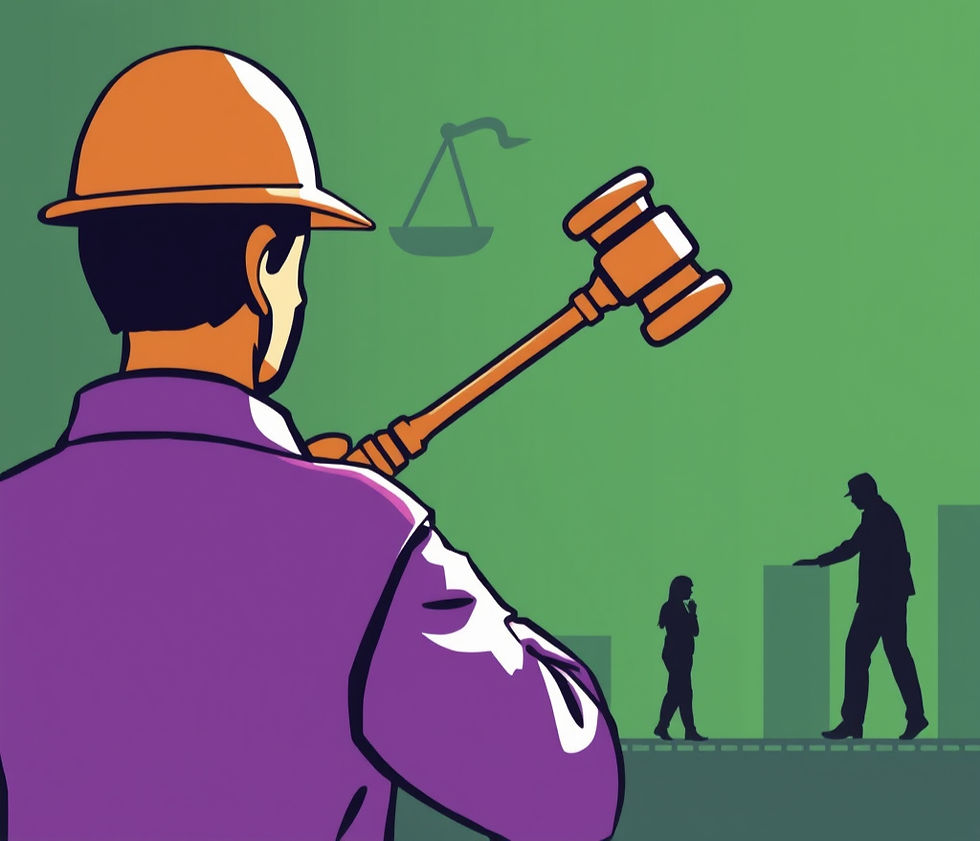
Labour laws form the foundation of India’s employment system. They regulate the relationship between workers, employers, and the government to create fairness, safety, and stability in workplaces. With over 500 million workers, India has one of the largest labour forces in the world, spread across industries like construction, manufacturing, IT, agriculture, gig platforms, and services. In such a diverse system, labour laws ensure that no worker is exploited, every employer follows legal standards, and industrial harmony is maintained. Over the years, these laws have evolved through worker movements, industrial growth, globalisation, and massive changes in the nature of work.
Why Labour Laws Are So Important in India
India’s economy depends heavily on its working population, yet a major portion of this workforce almost 90% belongs to the informal sector. They often face issues like low wages, poor safety conditions, lack of job security, and absence of social benefits such as PF or ESI. Labour laws protect these workers by establishing minimum standards for employment.
They cover areas like:
Minimum wages and fair salary
Maximum working hours and overtime
Safe and hygienic working environments
Prevention of child labour and forced labour
Maternity and paternity benefits
Rules for hiring and termination
Social security such as gratuity, pension, PF, and insurance
Without labour laws, workplaces would run solely on the employer’s terms, creating risks of exploitation. Therefore, labour laws bring balance, fairness, and accountability into the system.
The Evolution of Labour Laws: From Fragmented Laws to Four Labour Codes
For decades, India had more than 40 central labour laws and around 100 state laws, making compliance extremely complex. These laws were developed over a long period, beginning from British-era legislation such as the Trade Unions Act of 1926 and the Factories Act of 1948. As industries expanded and new sectors emerged, the need for simplification became urgent.
To solve this, the government consolidated these numerous laws into four comprehensive Labour Codes, which represent the biggest labour reforms in independent India:
Code on Wages, 2019
Code on Social Security, 2020
Occupational Safety, Health and Working Conditions (OSH) Code, 2020
Industrial Relations Code, 2020
These codes aim to provide clarity, reduce multiple compliances, and ensure better protection for workers while allowing industries flexibility to grow.
1. The Code on Wages, 2019: Making Fair Wages a Universal Right
This is one of the most important labour laws because wages directly affect every worker. Before this code, only workers in “scheduled industries” were guaranteed a minimum wage. But now, the Code ensures minimum wages for all employees across all sectors.
Key Features of the Code
Universal Minimum Wage: Every worker, whether in a factory, shop, office, or startup, is entitled to minimum wages.
Floor Wage: The central government will set a nationwide floor wage. No state can set wages below this level.
Equal Pay for Equal Work: Men and women must be paid equally for doing the same kind of work.
Timely Payment of Wages: Employers must pay wages on time every month.
Digital Payments Encouraged: To reduce disputes and increase compliance, the code promotes online wage payments.
This law is crucial because India’s working population includes millions who earn less than living wages. According to a labour survey, more than 80% of workers in India earn below the recommended living wage, making this reform extremely important.
2. The Social Security Code, 2020: Expanding Protection to All Workers
Social security ensures that workers are protected not only during their employment but also after retirement, during sickness, pregnancy, accidents, or sudden unemployment.
The Social Security Code combines nine different laws, such as the EPF Act, ESI Act, Maternity Benefit Act, and Gratuity Act.
Highlights of the Code
Gig and Platform Workers Included: Delivery boys, drivers, freelancers, and app-based workers will receive social security schemes.
Gratuity for Fixed-Term Employees: They no longer need to work for five years to get gratuity.
Universal Access to Social Security: Even unorganised and informal workers can register through online portals.
Strengthened Maternity Benefits: Women get 26 weeks of paid maternity leave, among the highest in the world.
This is a landmark change because India has more than 8 million gig workers, and they previously had no formal protection.
3. The OSH Code, 2020: Safety and Health at the Workplace
The Occupational Safety, Health and Working Conditions Code focuses on employee welfare, especially in hazardous industries like construction, factories, mining, and manufacturing.
Major Features
Mandatory Annual Health Check-ups for workers
Safety Standards for Hazardous Workplaces
Better Facilities for Migrant Workers including travel allowances and helplines
Defined Working Hours: Limits on overtime, night shifts, and rest periods
Safe Housing for Contract and Migrant Workers
Given that India records thousands of workplace accidents every year, the OSH Code aims to create safer work environments.
4. Industrial Relations Code, 2020: Maintaining Harmony Between Workers and Employers
This Code governs trade unions, strikes, layoffs, and dispute resolution. Its objective is to create a balance between workers’ rights and industrial productivity.
Key Provisions
Workers can form trade unions more easily.
A notice period is required before strikes, preventing sudden industrial disruption.
Establishments with up to 300 workers can hire or fire employees without government approval.
Faster dispute resolution through tribunals.
This Code aims to reduce conflicts while giving industries flexibility to expand.
Real-World Impact of Labour Laws
Labour laws have a significant impact on everyday life. Examples include:
The Maternity Benefit Act increased maternity leave to 26 weeks in 2017.
The Child Labour (Prohibition) Act protects children from hazardous industries.
The Factories Act ensures proper ventilation, clean drinking water, and safe machinery in factories.
PF and pension schemes give workers financial stability after retirement.
The government reported in 2022 that over 5 crore workers used PF savings during the pandemic for survival proving how crucial social security laws are.
Challenges Ahead
Even with strong laws, India faces challenges such as:
Low awareness of labour rights among informal workers
Weak enforcement in rural and unorganised sectors
Gig worker protections still evolving
Delay in implementing the new Labour Codes
Employers struggling with frequent regulatory changes
For labour reforms to be effective, awareness, digital access, and cooperation between all stakeholders are essential.
Conclusion: Labour Laws Are the Foundation of Fair Employment
Labour laws are not just legal rules they protect human dignity, ensure fairness, and create safe workplaces. As India moves toward becoming a global economic powerhouse, strong and modern labour laws will ensure that growth benefits every worker, from a factory labourer to a gig platform rider. With the new Labour Codes, India aims to build a future where work is fair, safe, flexible, and dignified.

Comments